
.avif)
10 Ways to Support Diverse Learners in the Classroom
Key Takeaways
- Educators around the country have the opportunity to help millions of diverse learners in the classroom excel and thrive.
- With the right support, English learners, neurodiverse young people, and students with learning disabilities can participate fully and enrich their classroom environment.
- Professional development is one of the most powerful ways for educators to develop strategies and skills for creating more inclusive classrooms.
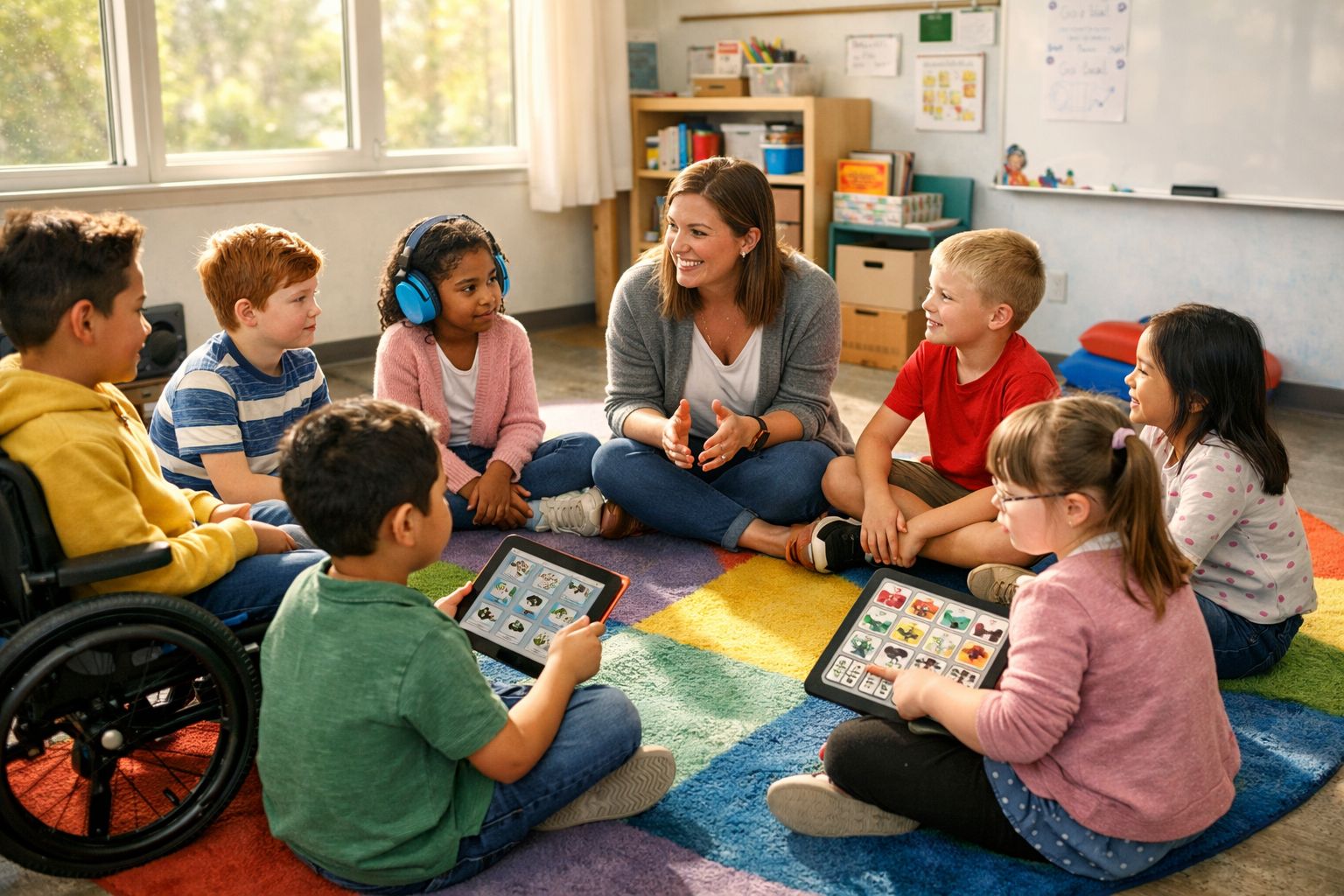
Classrooms today are more diverse than ever, bringing together students with different learning styles, cultural backgrounds, abilities, and life experiences. Advances in research, developing dialogues, and more inclusive education strategies have made it possible for more young people than ever to flourish in America’s classrooms.
It’s also not a token challenge:
- English learners represent over 10% of the public school population.
- People with ASD are 300% more likely to be identified compared to 20 years ago.
- 2.4 million students today have a Specific Learning Disability (SLD).
These numbers will likely go up in future years. Professional development is essential to help educators keep pace, and courses like Understanding Neurodivergence in the Classroom provide powerful insights about turning learning diversity into a benefit for all your students.
Looking to create the ideal classroom for everyone? Here are ten informed and practical strategies educators can use to better support diverse learners in the classroom while fostering engagement, confidence, and academic success.
1. Use Universal Design for Learning (UDL)
Universal Design for Learning offers principles of learner empowerment built on a flexible framework that anticipates learner variability from the start. Instead of retrofitting lessons, you can encourage multiple means of engagement, representation, and expression.
Some great strategies include:
- Offering different formats for materials (visual, auditory, multi-lingual, hands-on, etc.)
- Allowing students multiple ways to demonstrate learning
- Providing choices that increase motivation
UDL is especially effective for supporting diverse learners in the classroom because it normalizes flexibility in setting goals rather than singling students out—and that’s good for everyone.
2. Differentiate Instruction Thoughtfully
Differentiation involves adjusting content, processes, and products based on students' readiness, interests, and learning profiles.
This might include tiered assignments, flexible grouping, or varied pacing. Importantly, differentiation should be proactive and strengths-based.
When teachers differentiate effectively, diverse learners in the classroom can access the same learning goals through pathways that work best for them.
3. Create a Psychologically Safe Learning Environment
The fact is, diverse learners in the classroom will experience personal and performance challenges even in ideal environments. If they also don’t feel safe, respected, or valued, a potential classroom win can quickly turn into negative long-term consequences with significant downstream consequences.
Teachers can set a powerful example by establishing clear norms around kindness, inclusion, and respectful dialogue to reduce anxiety and support participation. Simple practices like validating effort, normalizing mistakes, and encouraging peer support can make all the difference for diverse learners.
4. Promote Dialogue and Awareness
Interacting with diverse learners allows all students to develop empathy and social skills that pay dividends today and far into the future.
By creating opportunities for discussion and sharing insights about diverse learning experiences, teachers instill their students with valuable perspectives on:
- Developing relationships
- Pursuing careers
- Navigating family challenges
- Participating in communities
5. Leverage Assistive and Instructional Technology
Technology can be a powerful equalizer when used skillfully. Tools like speech-to-text software, audiobooks, captioned videos, graphic organizers, and learning management systems can support diverse learners by reducing barriers to access.
These tools can also be offered as supportive resources for everyone, not just students with identified disabilities or disadvantages. By opening technology up to all learners, teachers can promote equity, understanding, and exploration.
6. Use Flexible Assessment Practices
Traditional assessments don’t always capture what students truly know or can do. Offering varied assessment options, such as projects, presentations, portfolios, or oral explanations, allows diverse learners in the classroom to demonstrate understanding in ways that align with their strengths.
Frequent formative assessments also help educators proactively adjust instruction in real time rather than waiting until students fall behind.
7. Teach and Model Executive Function Skills
Many students struggle not with content, but with planning, organization, time management, and emotional regulation. Explicitly teaching executive function skills benefits all students and is especially supportive for diverse learners with ADHD or other neurodivergent learning needs.
Strategies might include visual schedules, checklists, chunking tasks, and modeling problem-solving processes aloud.
8. Foster Collaborative and Peer Learning
Structured collaboration allows students to learn from one another while building social and communication skills. Cooperative learning groups, peer tutoring, and project-based learning can support diverse learners in the classroom by reducing isolation and increasing engagement.
Clear roles and expectations ensure that collaboration is equitable and meaningful for everyone.
9. Maintain High Expectations with Appropriate Support
Supporting diverse learners in the classroom does not mean lowering standards. Instead, it champions high expectations while providing the scaffolding needed to reach them.
This balance communicates belief in students’ capabilities and promotes resilience. Students often perform well when they know they’re being held to a standard with fair but meaningful expectations.
Clear learning targets, exemplars, and guided practice help students understand what success looks like and how to achieve it.
10. Engage in Ongoing Reflection and Professional Learning
Supporting diverse learners in the classroom is an ongoing process, not a checklist. Educators benefit from continuous professional development focused on key areas like classroom management, neurodiversity, strategy development, and equity.
Reflecting on student feedback, data, and outcomes helps teachers refine their approach and remain responsive to evolving student needs.
Giving Diverse Learners in the Classroom the Support They Deserve
When educators design learning environments that embrace diversity and flexibility rather than attempting to make everyone fit the same mold, classrooms become more inclusive, effective, and human. Of course, there will always be more to learn, and each new class will introduce fresh dynamics and challenges.
Premiere is helping educators in all roles stay ahead of the curve when it comes to diverse learners in the classroom. Courses like ADHD Unmasked: Recognizing and Reshaping Girls' Learning Experiences reveal the experiences of diverse learners through a lens of compassion and inclusion, giving teachers the skills to identify and support all their students.
All of Premiere’s award-winning courses are created by industry experts and help busy educators develop their careers while fulfilling their professional obligations.
FAQs
How can teachers support diverse learners?
Providing materials in several formats, promoting awareness, administering flexible assessments, and engaging in professional development are all great ways to support diverse learners in the classroom.
What is an example of learning diversity?
Students with cultural barriers such as language, neurodiversity, and some learning disabilities are considered diverse learners.
What defines a diverse learner?
Diverse learners are students who are capable of meeting established curricular standards but have a learning disadvantage relative to their peers. With proper support (language-appropriate materials, assistive technology, classroom accommodations, etc.), these students can excel in classroom environments.
Latest Posts




25% off Sitewide→
Use Code: PCECYBERSALE2025→