
.avif)
Making a Nursing Diagnosis for Diabetes: 10 Factors to Consider
Key Takeaways
- Diabetes is one of the most common causes of hospitalization in the United States today, and nurses are on the front line for managing symptoms and administering treatments.
- Making an accurate nursing diagnosis for diabetes is critical for ensuring this deadly chronic illness remains controlled, and treatment plans are successful.
- Continuing education is essential for equipping nurses with the skills they need to diagnose and treat diabetes.
40 million people in the United States today suffer from diabetes, representing over 10% of the population. It can affect people of all demographics and backgrounds, and it’s one of the most common reasons for hospitalizations in adults today.
As a result, developing an accurate nursing diagnosis for diabetes is a critical step in delivering safe, patient-centered care, and continuing education is essential for keeping the workforce up to date on the latest research.
Courses like Pharmacological Foundations: Diabetes Medications provide valuable insights for prescribing, understanding potential side effects, and identifying the symptoms of serious drug interactions.
Whether you are a nursing student or a practicing clinician, understanding the key factors that influence a nursing diagnosis for diabetes can strengthen your clinical judgment and improve patient care. Check out these 10 factors to consider when pulling together a nursing diagnosis for diabetes.
1. Blood Glucose Levels and Trends
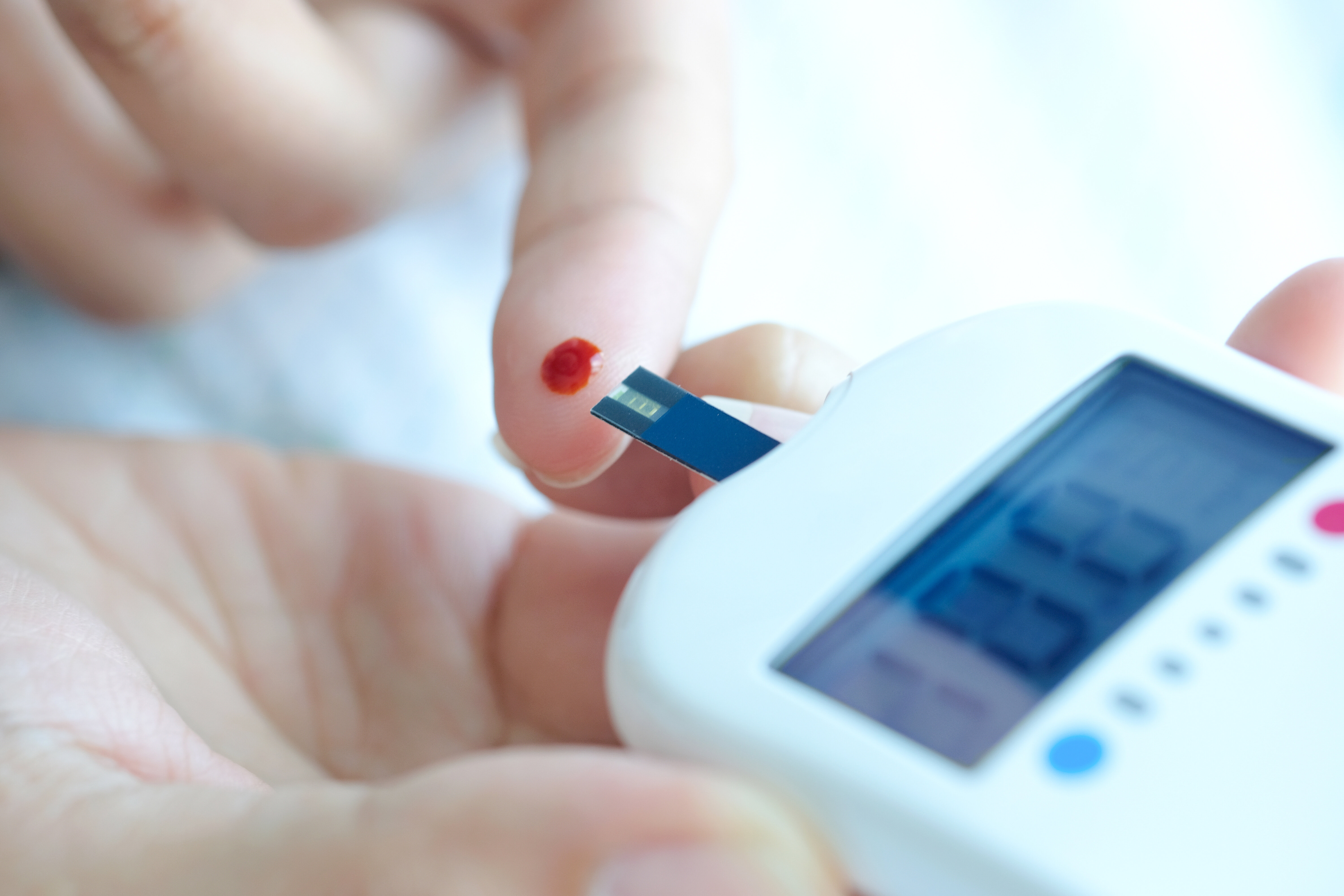
The foundation of any nursing diagnosis for diabetes begins with evaluating blood glucose levels.
This includes both current readings and trends over time, such as fasting glucose and HbA1c levels. Persistent hyperglycemia or hypoglycemia provides important clues about disease control and risks for complications, and is an important topic for discussion when engaging patients in their care.
2. Medication Regimen and Adherence
Assessing the patient’s medication regimen is essential. This includes insulin, oral hypoglycemics, and non-insulin injectables.
Equally important is understanding adherence—whether the patient is taking medications as prescribed. Nonadherence may stem from cost, misunderstanding, or side effects, all of which should inform your nursing diagnosis so that patient-specific concerns can be addressed.
3. Nutritional Status and Eating Patterns
Diet plays a central role in diabetes management. Evaluating meal timing, carbohydrate intake, cultural food preferences, and access to healthy foods is critical.
A patient with inconsistent eating patterns or limited nutritional knowledge may also require a diagnosis, such as imbalanced nutrition or ineffective health management. Many factors can influence diet, and just like medication adherence, intrapersonal skills and individualized patient strategies are often keys to success.
4. Physical Activity Level
Exercise directly impacts insulin sensitivity and glucose control. Assess how often and how intensely the patient engages in physical activity. A sedentary lifestyle may contribute to poor glycemic control and influence your nursing diagnosis for diabetes, particularly in identifying readiness for lifestyle changes.
It’s also important for nurses to be aware of potential weight biases and approach conversations about physical activity with tact and care. Patients who feel stigmatized may be less inclined to participate in care plans, with potentially harmful consequences.
5. Presence of Acute or Chronic Complications
Diabetes can lead to complications such as neuropathy, retinopathy, nephropathy, and cardiovascular disease.
Identifying these conditions helps refine your diagnosis and may prompt an investigation into potential relationships. For instance, a patient with peripheral neuropathy stemming from diabetes may require additional diagnoses related to impaired physical mobility or risk for injury.
6. Knowledge and Health Literacy
A patient’s understanding of diabetes management is a key factor and may have a significant impact on their disease progression.
Assess the patient’s knowledge of blood glucose monitoring, medication use, diet, and symptom recognition to level set the basics in diabetes management. Limited health literacy may also lead to diagnoses such as deficient knowledge or ineffective self-health management, requiring interprofessional support and resources.
7. Psychosocial Factors
Living with a chronic illness like diabetes can be emotionally and psychologically challenging. Consider stress levels, coping mechanisms, mental health conditions, and social support. Depression or diabetes distress may significantly impact self-care behaviors and should be reflected in your nursing diagnosis for diabetes.
Additionally, risks associated with other chronic conditions can impact a nursing diagnosis. For example, if a patient is managing chronic pain or terminal illness, nurses should be aware of the potential effects of controlled substances and other mental-health-related complications.
8. Cultural and Socioeconomic Influences
Cultural beliefs may influence dietary choices or attitudes toward treatment. These factors are essential for developing realistic, patient-centered diagnoses, but must be approached through a lens of cultural sensitivity.
Socioeconomic status can also shape how patients perceive and manage their condition. Limited financial resources may affect access to medications, healthy food, or monitoring supplies.
Taken together, a patient’s cultural and socioeconomic background has the potential to be one of the most significant factors impacting a nursing diagnosis for diabetes.
9. Risk for Hypoglycemia or Hyperglycemia
Identifying patients at risk for acute glycemic events is critical, especially for those patients who live alone. Factors such as medication type, irregular meals, alcohol use, and physical activity levels can all increase risk.
A proactive nursing diagnosis for diabetes may include risk for unstable blood glucose levels, which helps guide preventive interventions and the development of effective care plans.
10. Patient Readiness and Motivation for Change
Finally, consider the patient’s readiness to engage in self-management. Are they motivated to make lifestyle changes? Do they express willingness to learn or participate in care planning? Understanding readiness allows you to tailor your diagnosis and interventions, such as identifying readiness for enhanced health management.
Putting It All Together for a Nursing Diagnosis for Diabetes
Creating a comprehensive nursing diagnosis for diabetes requires synthesizing data from multiple domains, including physiological, behavioral, and psychosocial. A thoughtful nursing diagnosis for diabetes does more than label a problem—it drives care planning, improves patient outcomes, and supports long-term disease management.
Premiere is committed to equipping nurses with the research-based knowledge and skills they need to manage common chronic diseases like diabetes. Courses like Sweet Surrender: The Definitive Course on Diabetes Mastery deliver a comprehensive overview of the disease, including symptomology, diagnosis, treatment, and common complications healthcare professionals will encounter.
All of Premiere’s award-winning courses are created by industry experts, and make it easy for busy health workers to meet their professional obligations and develop their careers.
FAQs
What is a nursing diagnosis for a patient with diabetes?
Nursing diagnoses are evaluations of the effectiveness of current care plans, including a broad range of factors that may impact them. For diabetes, this includes symptoms, changes in condition, medication issues, psychological factors, and cultural and socioeconomic elements that may affect patient success.
What key elements are in a diabetes care plan?
A diabetes care plan often includes insulin and non-insulin medications, physical and nutritional health guidance, glucose monitoring, evaluations of additional health complications, patient education, and other factors that may require interprofessional collaboration.
What are the barriers to diabetes care?
Physical, psychological, cultural, and socioeconomic factors can all impact a patient’s ability or willingness to access diabetes treatment. Nurses are often in a position to identify these barriers and take action to help patients overcome them.
Latest Posts





25% off Sitewide→
Use Code: PCECYBERSALE2025→