
.avif)
How to Become an Oncology Nurse
Key Takeaways
- A 350,000+ nursing shortfall is anticipated over the next decade, and specialists in the oncology nurse workforce represent essential roles to fill.
- Becoming an oncology nurse requires a significant personal and professional investment, including 1,000 hours of oncology nursing practice, 2 years of nursing experience, and passing critical certification exams.
- Continuing education in oncology nursing is essential for success and a foundational building block for specialization.
Cancer is one of the most imposing pathologies faced by today’s health systems, requiring compassionate, skilled clinicians willing and able to implement complex treatment regimens designed for optimal outcomes. There is also high demand in the field, with 82.6% of oncology nurses reporting increasing workloads and a 350,000+ general nurse shortage expected over the next decade.
The challenges facing the industry at large are particularly acute in oncology. Specialized nurses play a crucial role in cancer care, and targeted coursework like Screening Survival: Navigating the World of Cancer Detection provides foundational strategies for identifying cancer early and making a life-changing impact.
If you’re considering becoming an oncology nurse, here’s a detailed list of the educational requirements, options for specialty certification, job outlook, and tips for success in this rewarding field.
What Is an Oncology Nurse?
An oncology nurse is a registered nurse who specializes in caring for pediatric or adult patients with cancer. These professionals work in various healthcare settings, including hospitals, outpatient clinics, cancer treatment centers, and even in patients' homes. They assist with administering chemotherapy, monitoring treatment responses, managing symptoms and side effects, and offering emotional support to patients and their families.
Oncology nurses are vital members of an interprofessional team that may include oncologists, surgeons, radiologists, and social workers. Their deep understanding of cancer and its complex impact on physical and mental health, along with treatment options, helps ensure patients receive comprehensive, compassionate care.
While specialties within the field are diverse, every oncology nurse must achieve similar milestones to become certified.
1. Earn a Nursing Degree and Pass the NCLEX-RN
It sounds basic, but to begin your journey to becoming an oncology nurse, you first need to become a registered nurse. It’s worth mentioning because some people find this requires a lot of planning and prerequisite work that sometimes can take several years. To earn a nursing degree, the most common pathways are:
- An Associate Degree in Nursing (ADN)—typically a two-year program
- A Bachelor of Science in Nursing (BSN)—most often a four-year degree
While you can become an oncology nurse with an ADN, some employers prefer candidates with a BSN due to the complexity of cancer care.
After completing your nursing program, the next step is to pass the NCLEX-RN (National Council Licensure Examination for Registered Nurses). This exam tests your knowledge and readiness to practice as a licensed registered nurse and is required for licensure as an RN in the United States.
2. Gain Clinical Experience
Many oncology nursing positions require at least 1-2 years of general nursing experience. Working in areas like medical-surgical nursing, critical care, or internal medicine can provide valuable foundational skills.
During this time, you’ll develop clinical expertise, patient communication skills, time management, and critical competencies for a successful oncology nurse. Antineoplastic medications and frequent hematological infusions require sharp assessment skills with a strong foundation in the nursing process.
3. Pursue an Oncology Nursing Certification
While not always required, earning a certification can significantly boost your qualifications and credibility as an oncology nurse. The gold standard credential is the Oncology Certified Nurse (OCN®) designation, offered by the Oncology Nursing Certification Corporation (ONCC). To be eligible, you’ll need:
- A valid RN license
- At least 2 years of RN experience
- 1,000 hours of adult oncology nursing practice within the last four years
- 10 continuing education hours in oncology or an academic elective in oncology nursing within the three years (36 months) prior to application.
Additionally, contact hours must have been provided or formally approved by an acceptable accredited provider or approver of continuing nursing education (CNE) or nursing continuing professional development (NCPD).
A maximum of five of the 10 (50%) required contact hours in oncology may be continuing medical education (CME) or continuing pharmacy education (CPE). Continuing education accredited via Joint Accreditation/Interprofessional Continuing Education (IPCE) must specify hours awarded by ANCC, ACCME, or ACPE to be accepted by ONCC.
4. Consider Advanced Practice Roles
If you want to take your oncology nursing career even further, consider becoming an Advanced Practice Registered Nurse (APRN), such as a Nurse Practitioner (NP) specializing in oncology. This path requires a Master of Science in Nursing (MSN) or Doctor of Nursing Practice (DNP), along with additional clinical training and certification.
Advanced oncology nurses often take on responsibilities like diagnosing cancer, developing treatment plans, prescribing medication, and conducting research.
Key Skills and Traits of a Successful Oncology Nurse
Being an oncology nurse requires more than just clinical knowledge. Here are some essential traits and skills that will help you thrive in this specialty:
- Empathy and compassion. Cancer is an emotionally charged diagnosis. Nurses must offer unwavering support and understanding.
- Communication skills. Clear, sensitive communication is essential when explaining treatments and offering comfort.
- Attention to detail. Cancer treatments like chemotherapy involve strict protocols and monitoring for side effects.
- Emotional resilience. Caring for seriously ill patients can be emotionally taxing. Oncology nurses must practice self-care and maintain emotional strength. Also, because oncology nursing can be demanding and emotionally difficult, turnover rates for oncology nurses can be high, creating significant demand in this field.
- Team collaboration. Working with doctors, specialists, and families requires strong teamwork.
Types of Oncology Nursing
Oncology nursing is a diverse field that offers several specialized roles, each focused on different aspects of cancer care. Here are a few specialties that allow nurses to tailor their careers to their interests and the specific needs of cancer patients.
1. Medical Oncology Nurses
These nurses care for patients receiving chemotherapy, immunotherapy, or other non-surgical cancer treatments. They monitor side effects, manage symptoms, and provide education on treatment regimens.
2. Radiation Oncology Nurses
Working closely with radiation oncologists, these nurses support patients undergoing radiation therapy. They educate patients about the process, assess skin and tissue reactions, and help manage fatigue and discomfort.
3. Surgical Oncology Nurses
Surgical oncology nurses assist in pre- and post-operative care for patients undergoing surgery to remove tumors. They prepare patients for procedures, monitor recovery, and manage surgical wounds.
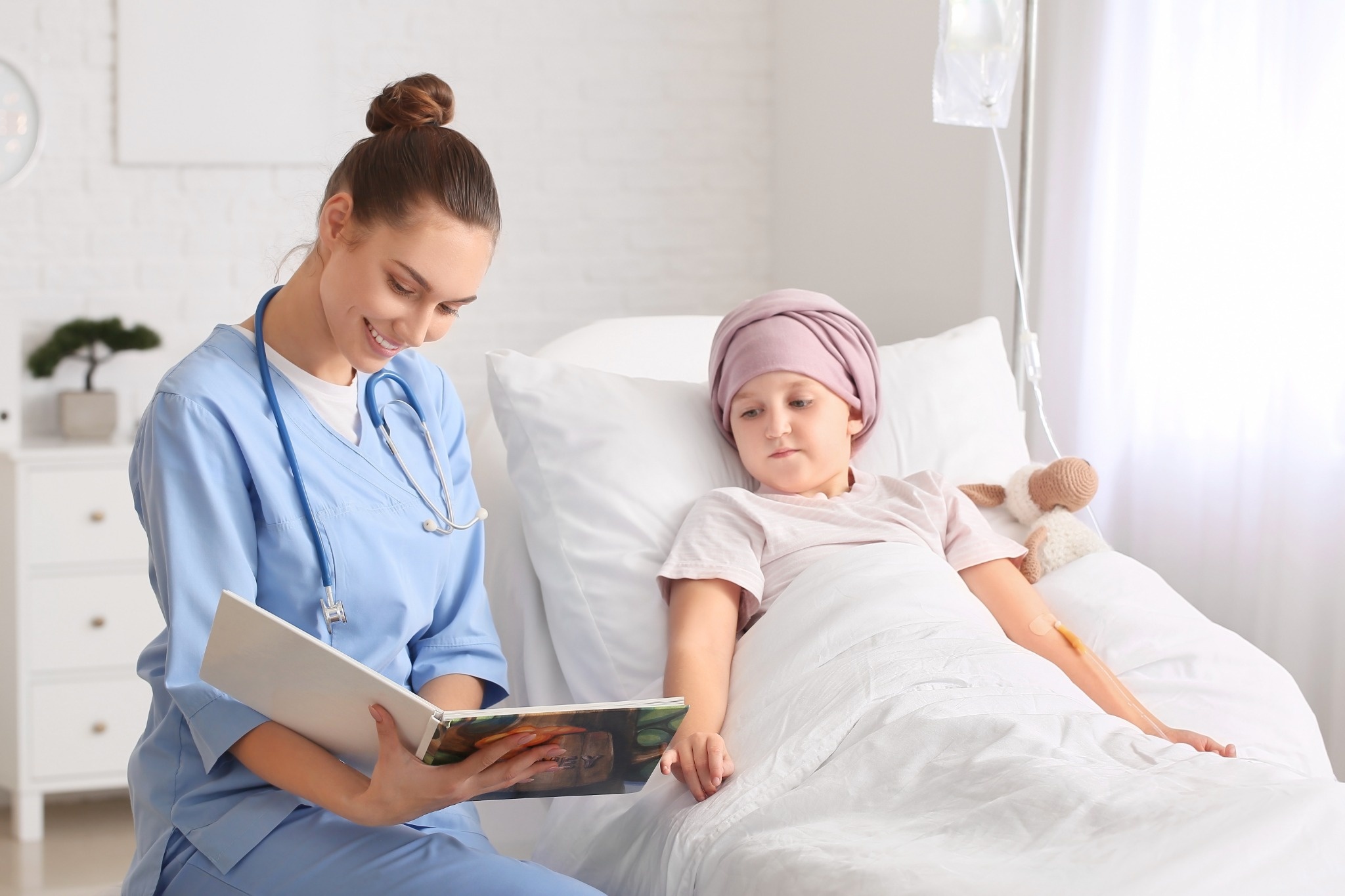
4. Pediatric Oncology Nurses
Specializing in children with cancer, these nurses provide care that balances medical treatment with emotional support. They also work closely with families during treatment and recovery.
5. Hematology-Oncology Nurses
These nurses focus on cancers of the blood, such as leukemia and lymphoma. They often work in hospitals or outpatient clinics, administering treatments and managing complications unique to blood cancers.
Is Oncology Nursing Right for You?
Becoming an oncology nurse is a deeply fulfilling career path for those who are passionate about helping others through complex and life-changing diagnoses. It’s a role that challenges your skills, calls upon your compassion, and allows you to make a real difference every day.
Premiere is committed to preparing the next generation of oncology nurses for success in this demanding field. Courses like Screening Survival: Navigating the World of Cancer Detection deliver skills and strategies nurses in all roles need to master to spot the signs of cancer and connect their patients with life-saving care.
All of Premiere’s courses are developed by industry experts and make it easy for busy healthcare professionals to meet their professional obligations and develop their careers.
FAQs
How many years does it take to become an oncology nurse?
Becoming an oncology nurse requires at least 2 years of general nursing education, a minimum of 2 years of experience in nursing, and additional coursework and training to achieve certification.
Are oncology nurses in high demand?
Oncology nurses are in high demand, owing to emotional challenges like burnout and compassion fatigue, and an increased demand for skilled professionals.
How do you become an oncology-certified nurse?
Practicing nurses must have a valid license, 2 years of RN experience, 1,000 hours of adult oncology nursing practice within the last four years, 10 hours of oncology nursing CE, and pass the OCN® exam.
Latest Posts





25% off Sitewide→
Use Code: PCECYBERSALE2025→